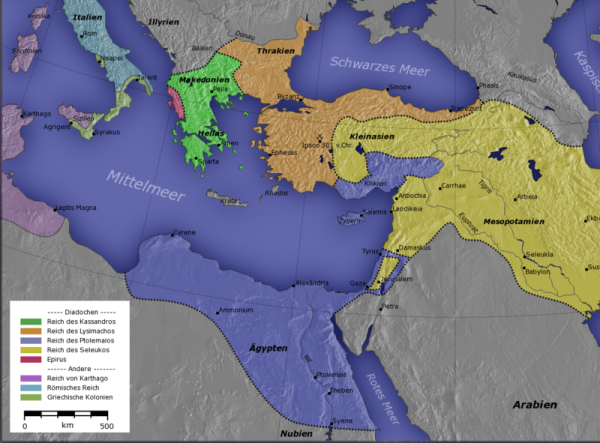
the Ptolemaic Empire at its peak
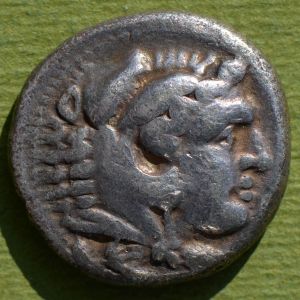
from the Wildman collection
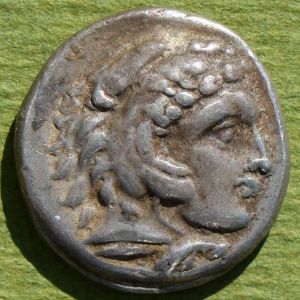
from the Wildman collection

Cup of the Ptolemies, now in the Cabinet des Médailles at the Bibliothèque Nationale de France, Paris
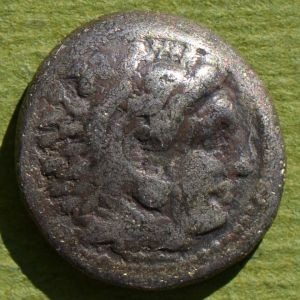
from the Wildman collection
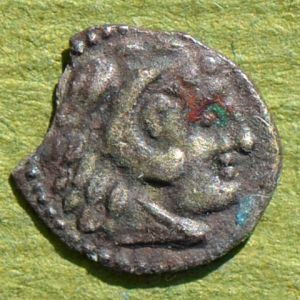
from the Wildman collection

from the Wildman collection

from the Wildman collection
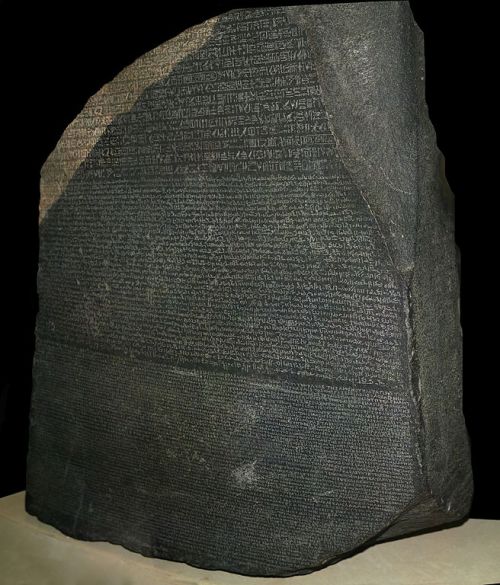
Rosetta stone, now in the British Museum, London

from the Wildman collection

from the Wildman collection

from the Wildman collection
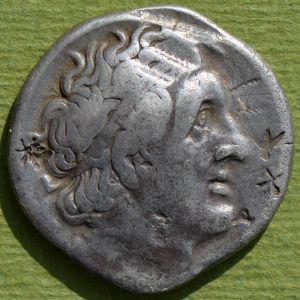
from the Wildman collection

from the Wildman collection
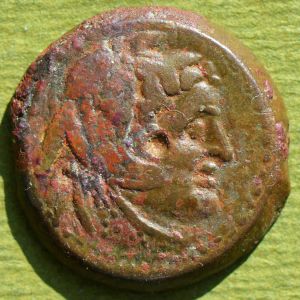
from the Wildman collection
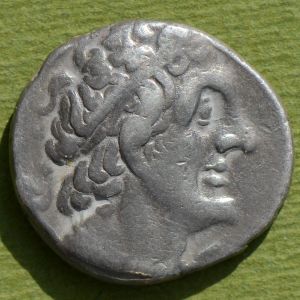
from the Wildman collection

from the Wildman collection

from the Wildman collection

from the Wildman collection
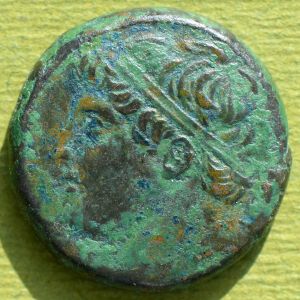
from the Wildman collection

from the Wildman collection

from the Wildman collection

from the Wildman collection
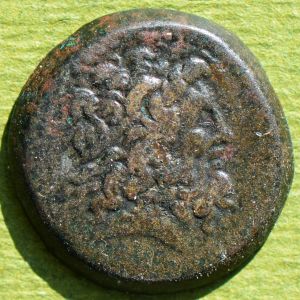
from the Wildman collection

from the Wildman collection

from the Wildman collection

from the Wildman collection
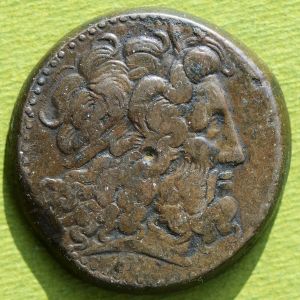
from the Wildman collection

from the Wildman collection

from the Wildman collection
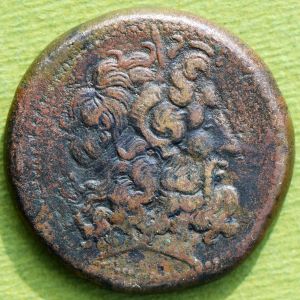
from the Wildman collection

from the Wildman collection
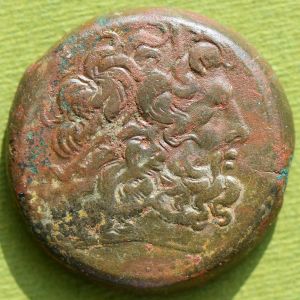
from the Wildman collection
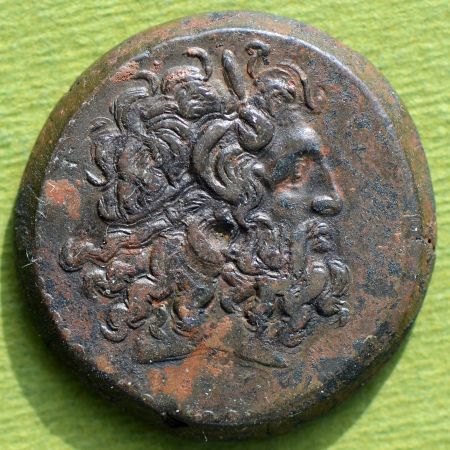
image 30, from the Wildman collection
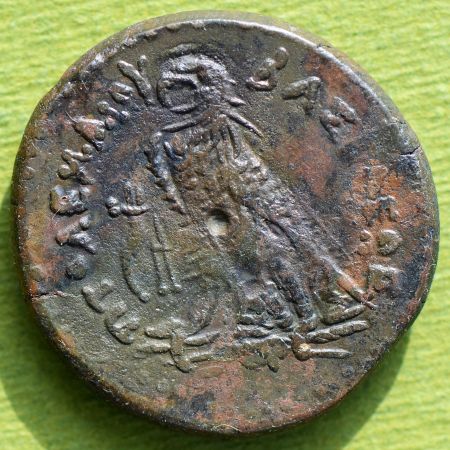
Ptolemy IV AE 34, Sear 7842
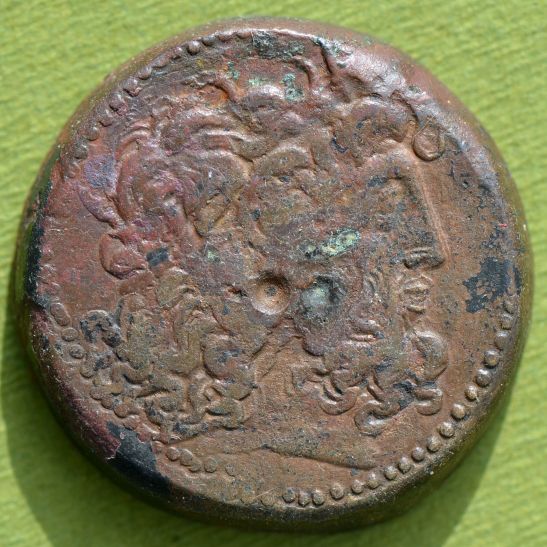
image 31, from the Wildman collection

image 32, from the Wildman collection

Ptolemy IV AE 34, Sear 7842

from the Wildman collection
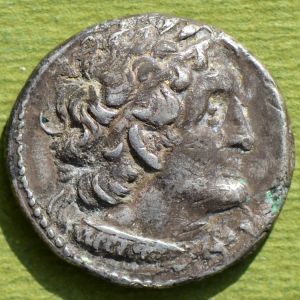
from the Wildman collection
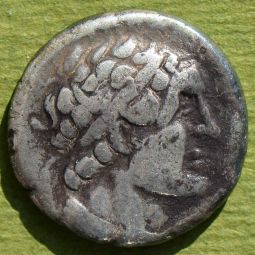
image 35, from the Wildman collection

image 36, from the Wildman collection

Ptolemy VI AE 33, Sear 7900

image 37, from the Wildman collection
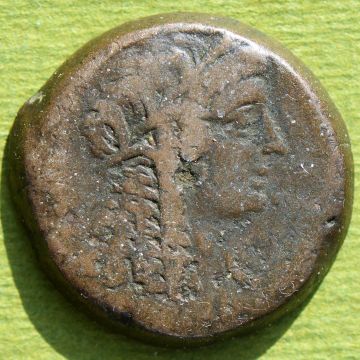
image 38, from the Wildman collection

Ptolemy VI AE 28, Svor 1234
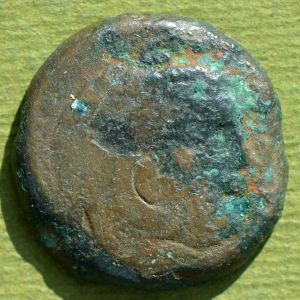
image 39, from the Wildman collection

image 40, from the Wildman collection

Ptolemy VI AE 29, Sear 7902
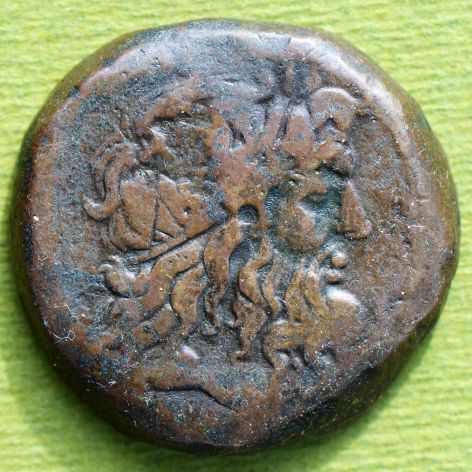
image 41, from the Wildman collection

image 42, from the Wildman collection

Ptolemy VI AE 29, Svor 1346
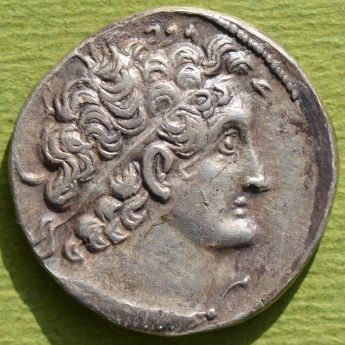
image 43, from the Wildman collection

image 44, from the Wildman collection
image 45, from the Wildman collection
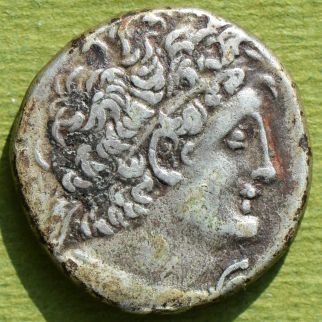
image 46, from the Wildman collection
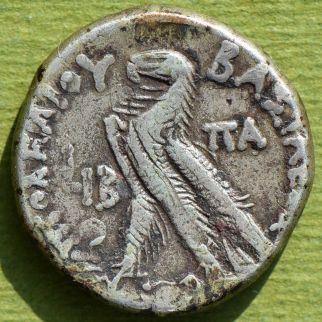
Cleopatra tetradrachm, Sear 7938

image 47, from the Wildman collection

Ptolemy X, Askelon shipwreck

image 48, from the Wildman collection
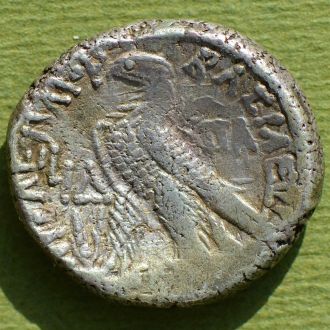
Cleopatra VII tetradrachm, Sear 7954
The pharoahs of Ancient Egypt did not provide their country with coinage altho trade contacts with Greeks and Phoenecians strongly suggests that they would have been familiar with the concept. Egypt was conquered by the Persians in the fifth century B.C. and doubtless gold darics and silver sigloi circulated there as they did elsewhere in the empire, but there is no record of any specifically Egyptian issue. Egypt fell to Alexander the Great as part of his conquest of the Persian Empire but he died before he could make any lasting reorganization. That fell to one of his generals, Ptolemy, who seized the region as satrap in 321 B.C. He successfully defended Egypt against the other Diadochi and declared himself Pharoah in 305 B.C. His dynasty survived until it was extinguished by the Romans in 30 B.C.
We present here as series of silver and bronze coins issued by the Ptolemies during their rule. The basic silver unit was the drachm and the most common silver coin was the tetradrachm (= four drachms). The tetradrachm circulated all over the Hellenistic world, from Italy and Spain to Bactria and Gedrosia (modern Afghanistan and Pakistan). The drachm was divided into six obols. The obol, when issued in silver, constituted an inconveniently small coin, and eventually copper was substituted. However, the profusion of local weight standards and lack of surviving documentation make it very difficult today to assign denomination values to Greek copper coinage. For example, the Ptolemies issued tetradrachms that were lighter than those of neighboring kingdoms in an attempt to keep silver in the country.
Source:
- Sear, David R., Greek Coins and Their Values, Volume 2: Asia and Africa, London: B. A Seaby Ltd., 1979.


